With less than two months remaining before the first anniversary of Iran's January 2026 nationwide protests, independent human rights organizations have issued an urgent warning to the international community: Iran's judiciary is preparing a fresh wave of political executions behind a curtain of forced confessions, state-appointed lawyers, and unannounced dawn hangings.
121 January Protesters Facing Execution Across 15 Provinces
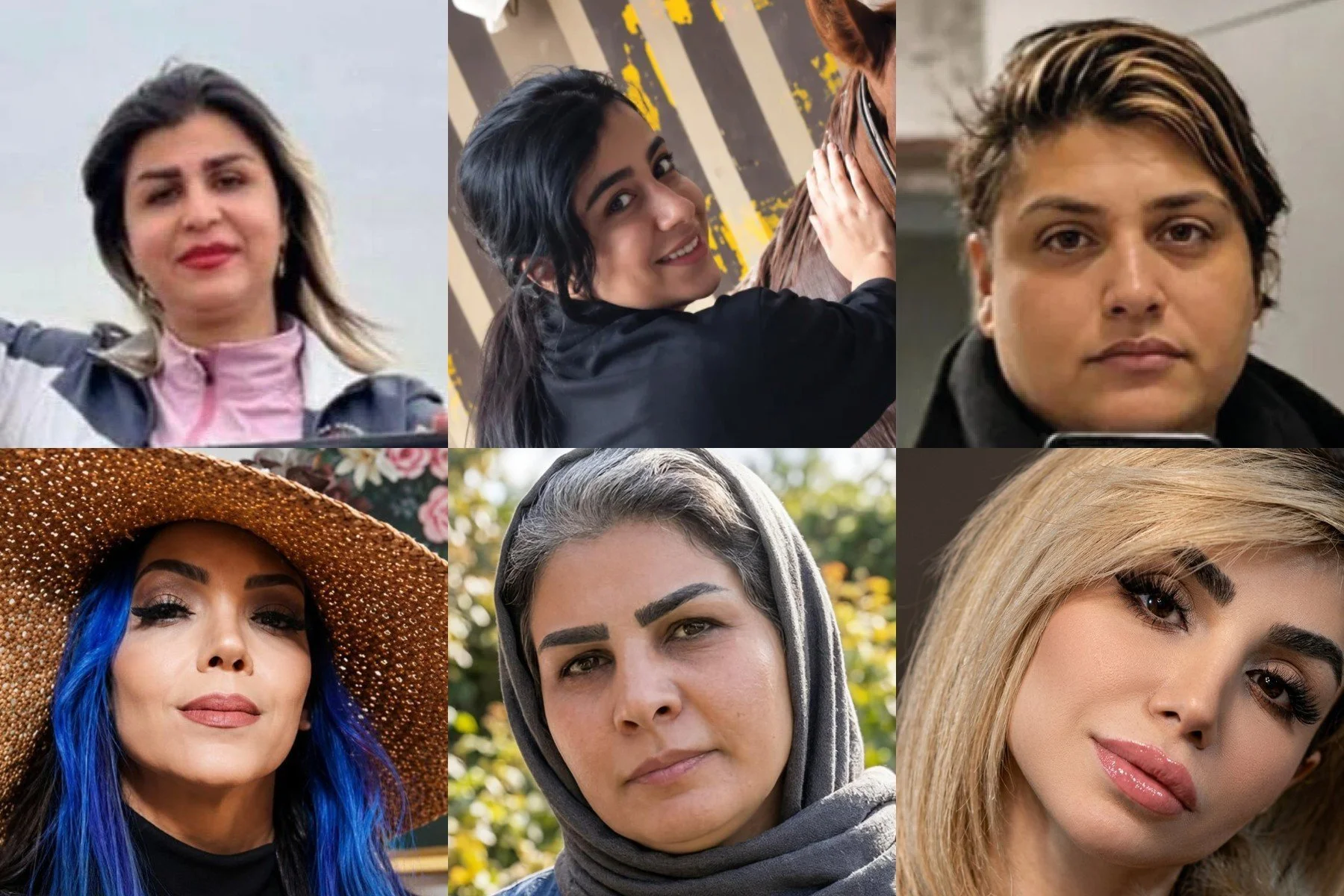
In a landmark report published on November 16, 2026, Norway-based Iran Human Rights (IHRNGO) documented by name at least 121 protesters arrested in connection with the January 2026 demonstrations who have been sentenced to death and remain at grave risk of execution. The verified list—which originates from just 15 of the 31 provinces where protests occurred and represents what researchers describe as an absolute minimum—includes six women and at least five juvenile offenders who were under the age of 18 at the time of their alleged offenses.
According to IHRNGO, only seven of the 121 capital cases have been officially acknowledged by judicial authorities, while the vast majority were uncovered through independent verification and defense counsel disclosures. Since March 18, 2026, Iranian authorities have executed an average of more than one protester every single week—putting to death 41 demonstrators (39 from the January 2026 protests and two from the "Woman, Life, Freedom" movement), alongside 16 political prisoners and 17 individuals convicted under espionage statutes. It marks the highest concentration of political executions in Iran within such a short timeframe since the 1980s.
Among the six women and scores of young detainees identified on the November 16 death-row roster are:
Maryam Hodavand-Seiri (Age 42, Evin Prison) and Taraneh Rahimi (Age 20, Isfahan Dowlatabad Prison): Both women's death sentences for moharebeh ("enmity against God") have been upheld, with Rahimi's verdict in the 16-defendant "Shohada Square" case signed by a Revolutionary Court judge who was not even present during the trial hearings.
Mahboubeh Shabani (Age 33, Mashhad Central Prison): Sentenced to death in Razavi Khorasan province on sweeping national security charges.
Leila Abolhassani (Age 43, Isfahan), Mahnaz Chardoli (Qarchak Prison), and Bita Hemati: Sentenced to death in initial proceedings before their rulings were referred by the Supreme Court for retrial before parallel Revolutionary Court branches.
Tortured Young Couriers and Juvenile Defendants: The report details cases such as 21-year-old Tehran motorcycle delivery courier Omran Amani, whose right shoulder was fractured under torture in Evin Prison to extract confessions before Judge Iman Afshari sentenced him to death on October 24, 2026, and 17- and 18-year-old juvenile defendants Matin Mohammadi, Nima Araban, Shervin Bagherian, and Sepehr Hounjani. On November 17, HRANA also reported that Branch 39 of the Supreme Court upheld the death sentence of another unnamed January protester in Rasht.
Under the Note to Article 48 of Iran's Code of Criminal Procedure, every one of these national security defendants was barred from retaining an independent lawyer of their choosing, forced instead to rely on judiciary-approved counsel while state television broadcast coerced confessions prior to trial.
Unannounced Execution of Fatemeh Farhadi in Shiraz
While political death sentences mount in Revolutionary Courts, the secret execution of women in criminal prisons continues unabated. On November 16, 2026, the Human Rights Activists News Agency (HRANA) reported that a female prisoner identified as Fatemeh Farhadi was hanged at dawn on Sunday, November 15, inside Adelabad Prison in Shiraz. Consistent with over 85 percent of executions carried out in Iran this year, neither prison officials nor judicial media announced her execution. HRANA's cumulative tracking confirms at least 1,062 executions by hanging across Iran between January 1 and October 31, 2026.
Prison Sentences for Women Activists, Music Teachers, and Defense Lawyers
Simultaneously, HRANA documented a wave of mid-November judicial rulings targeting women civil society figures, religious minorities, and independent defense attorneys:
Fariba Asadi Sentenced to Six Years in Karaj: On November 15, HRANA reported that civil rights activist Fariba Asadi—arrested by intelligence agents on January 26, 2026, in connection with the nationwide protests and held for three months in Kachooei Prison—was sentenced by Branch 2 of the Karaj Revolutionary Court to six years in prison, a two-year travel ban, and a ban on civic and public-sector employment.
Baha’i Children’s Music Instructor Nazanin Abedini Sentenced Without a Hearing: On November 16, HRANA revealed that Branch 1 of the Sari Revolutionary Court sentenced 39-year-old Baha'i citizen and children's music teacher Seyedeh Nazanin Abedini Kafshgari to three years in prison and eight years of deprivation of social rights under Article 500 bis of the Islamic Penal Code—issuing the verdict without holding a new hearing or allowing her lawyer to present a defense after her case was transferred from Qaem Shahr.
Supreme Court Upholds Disbarment and Exile of Attorney Javad Alikordi: Further illustrating the persecution of legal defenders, the Supreme Court rejected the appeal of imprisoned Mashhad human rights attorney Javad Alikordi on November 16, upholding his prison term in Vakilabad Prison alongside permanent disbarment from practicing law and two years of forced exile to Sistan and Baluchestan province.
As IHRNGO Director Mahmood Amiry-Moghaddam warned this week, international silence has failed to raise the political cost of executions for Tehran's judiciary. Democratic governments and United Nations bodies must demand an immediate moratorium on all executions before the approaching anniversary of the January uprising claims dozens more young lives.
