At thirty years old, Sahar Bayat lived as though the horizon itself belonged to her. An accomplished painter whose canvases brimmed with color and movement, she was equally at home scaling Iran's snow-covered mountain ridges on skis or hiking high trails above the clouds. To her friends and family, Sahar was a source of effortless warmth—a newly married woman at the very beginning of a life she had spent years dreaming into existence.
When nationwide demonstrations swept across Tehran in early January 2026, Sahar stood alongside her husband and friends in eastern Tehran, lending her voice to a generation demanding fundamental rights and dignity. On the evening of January 8, as the crowd began dispersing near Tehranpars and Sahar walked back with her husband, security forces opened fire with live ammunition down the street.
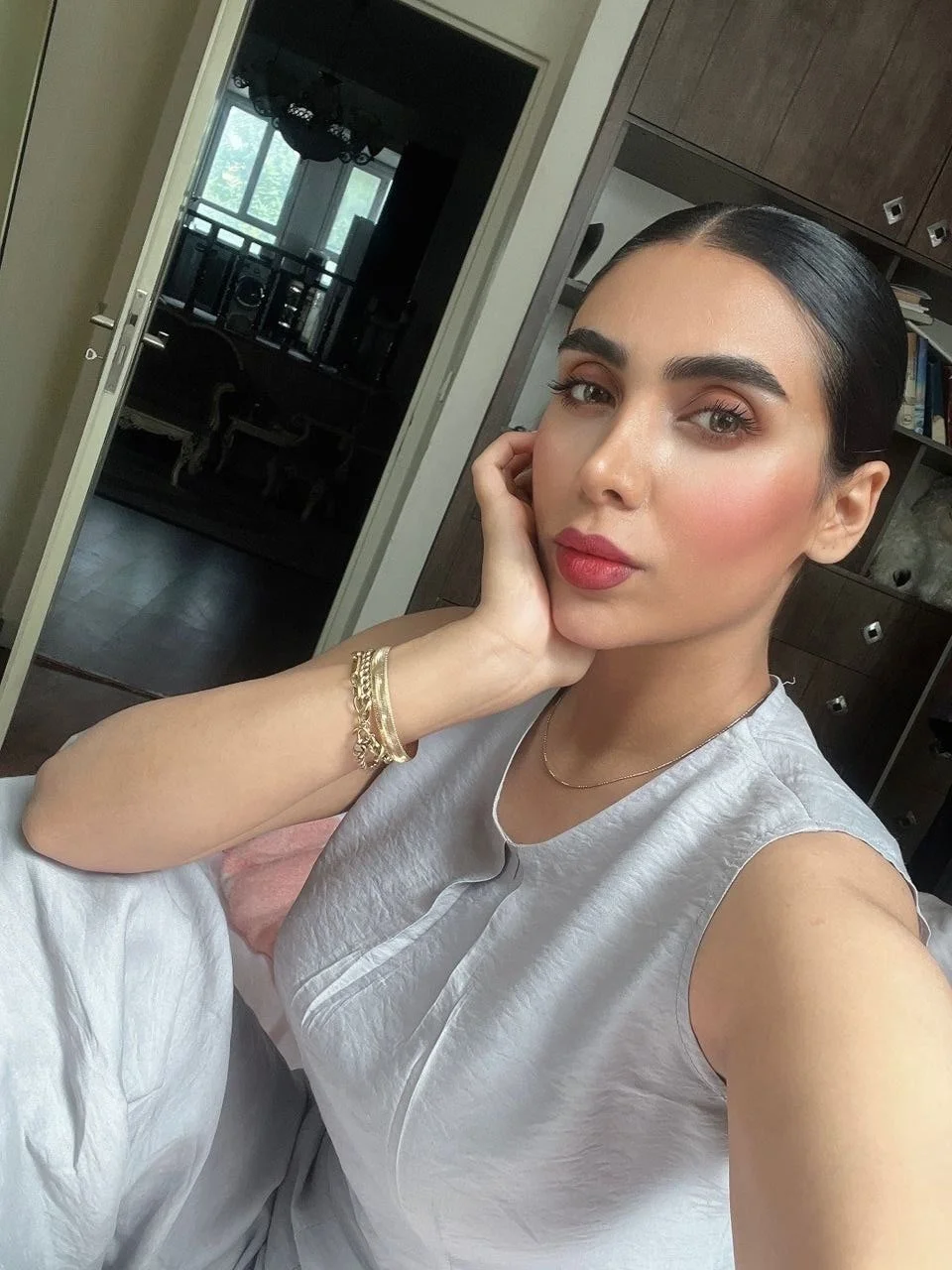
A live round struck Sahar from behind, hitting her in the head. In a single heartbeat, the thirty-year-old artist collapsed beside the husband she had just married.
Amid the chaos of a city under live fire and a total internet blackout, ambulances could not reach the wounded. Refusing to leave his wife on the pavement, Sahar's husband lifted her lifeless body onto his shoulders and carried her on foot through the dark streets of eastern Tehran to Al-Ghadir Hospital. When he arrived, he walked into a scene that independent investigators later documented as one of the clearest windows into the January massacre: a hospital with a five-body morgue overwhelmed by dozens of slain demonstrators, its corridors and courtyard lined with victims wrapped in blankets.
For Sahar's husband and family, her death was followed by four nights of state-enforced torment. After spending the first night outside Al-Ghadir Hospital, her body was transferred by authorities to the Kahrizak forensic center south of Tehran, where her husband waited outside the gates for three more freezing nights. Mirroring a pattern documented by independent human rights monitors across the country, officials refused to release Sahar's remains until her family paid an extortionate fee and signed written pledges guaranteeing that no slogans would be chanted at her funeral.
Banned by security agencies from laying Sahar to rest in Tehran, her grieving family was forced to carry her hundreds of miles west to her father's ancestral village of Sutlaq in Tuyserkan, Hamadan province, burying her under strict surveillance. Yet the paintings Sahar Bayat left behind—and the love of a husband who carried her on his shoulders through gunfire—outlive the silence forced upon her grave. Her unfinished canvas belongs now to every voice that refuses to let her name be erased.
WHAT YOU CAN DO ON :
Donate any amount and remember her name: Sahar Bayat.
Defend the right to mourn without extortion: Call on the UN Independent International Fact-Finding Mission on Iran to prosecute the practice of holding protesters' bodies for ransom.
Keep her memory alive: Use the hashtag #SaharBayat to call for global attention and justice.
Let no artist’s life be cut short for walking toward freedom.
